
What are Dental Crowns?
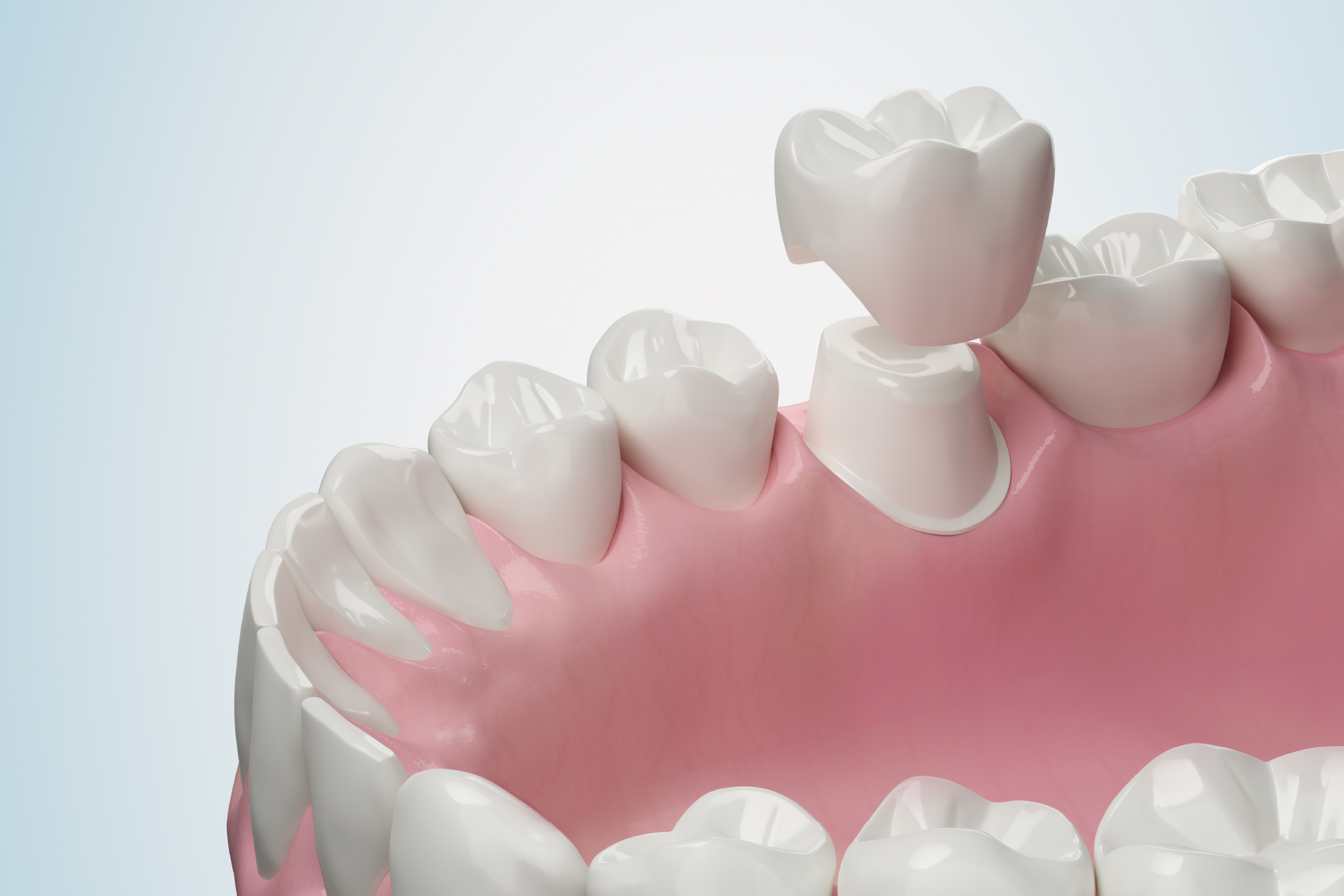
A dental crown is a type of restoration designed to fit over a damaged or compromised tooth. As part of Dental crown treatment in Sheboygan, crowns are commonly recommended when a tooth is fractured, broken, or has undergone a root canal. Also known as a tooth cap, this solution helps strengthen damaged teeth while restoring their shape and appearance. Crowns are a long-lasting tooth repair option and can provide reliable bite protection for many years.
Why are Dental Crowns needed?
Dental crowns are often recommended when a tooth has been weakened or damaged. This may be due to a crack, fracture, or break that affects the strength and function of the tooth. In many cases, a dental crown, sometimes referred to as a tooth cap, may also be recommended after a root canal, as the treated tooth can become more fragile over time.
Crowns are also helpful when a tooth has a large filling or deep decay that leaves it vulnerable. In these situations, placing a crown helps strengthen damaged teeth and protects them from further wear or damage. They also provide reliable bite protection, allowing you to chew comfortably while preserving as much of your natural tooth as possible.
Who is a candidate for Dental Crowns?
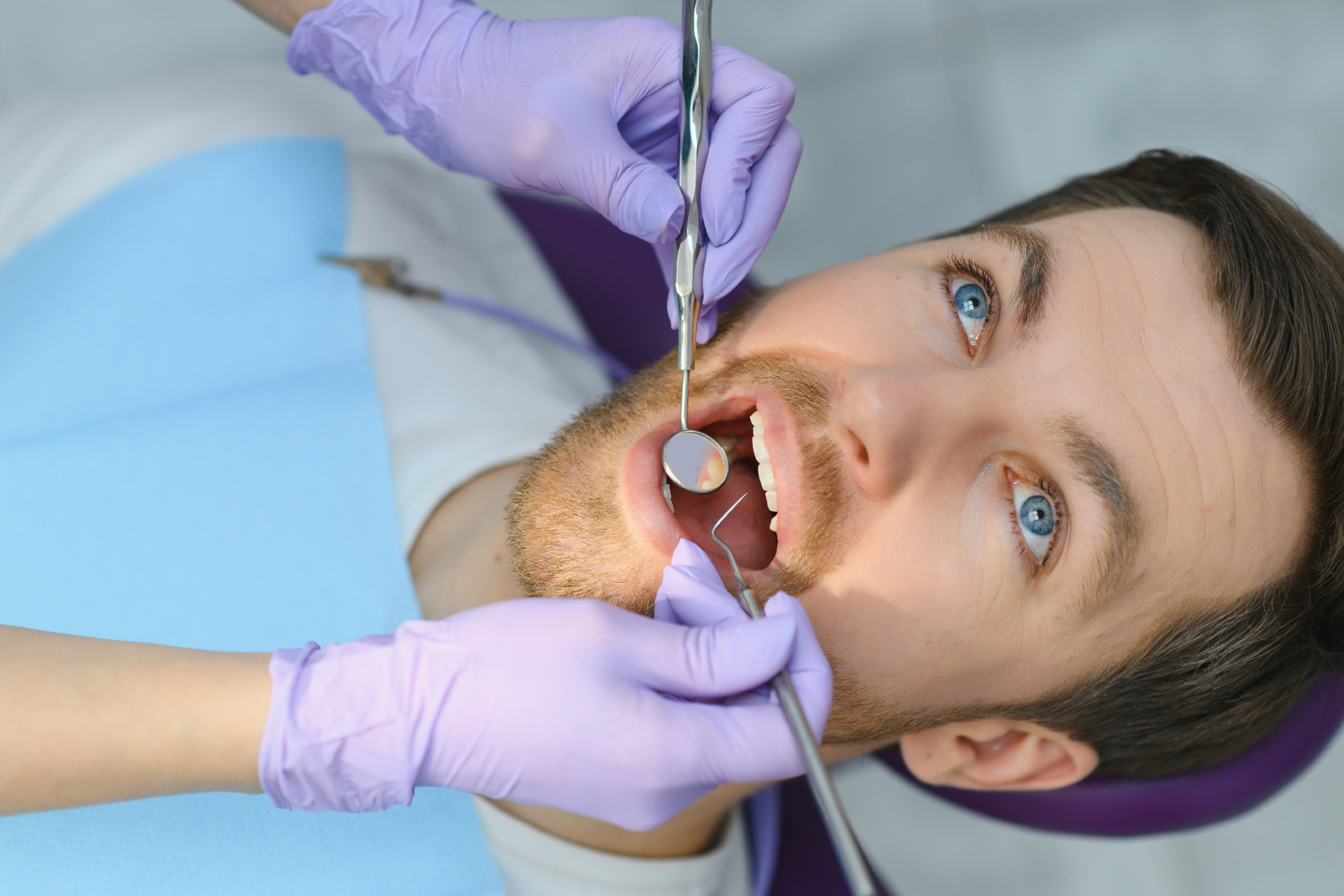
Dr. Nathan Bloom will examine your teeth to determine if a crown is the right solution for you. If needed, it’s best to proceed with Dental crown treatment as soon as possible to avoid further damage.
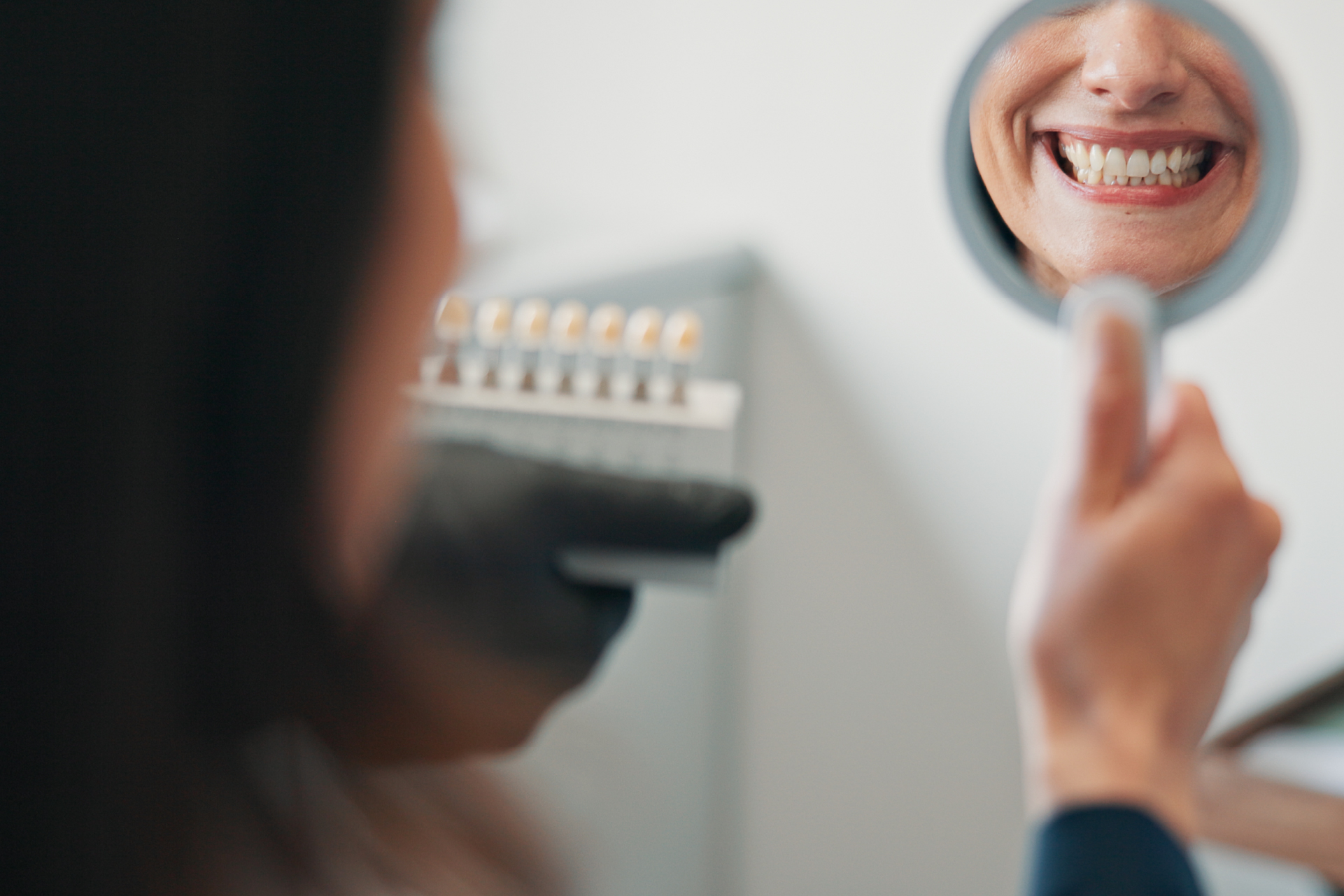
Patients with cracked teeth, large fillings, or weakened enamel are often good candidates. If you already have an older crown, it may need replacement over time. We also discuss different types of dental crowns to ensure you receive the best option for your needs, and can help answer questions like is crown covered by insurance during your visit.
What happens during the Dental Bridge Procedure?
The procedure begins with a local anesthetic to numb one area of the mouth. We then shape and file down the surrounding teeth. This will help to make room for the new fixed bridge. Impressions are then taken and will be used to create both a temporary and permanent bridge. You'll go home with the temporary one in place and will need to come back for a second appointment for the permanent. The temporary bridge is removed and the permanent one is placed securely using a dental-grade adhesive. We polish and adjust the new bridge and provide you with instructions on how to brush and floss around it.
If you think you might benefit from a dental bridge, call our office today so that our helpful staff members can further assist you.
Dental News in Dentist Sheboygan
Dentist Sheboygan
FAQs

3233 Superior Avenue | Sheboygan, WI 53081
Monday: 7:00 AM - 3:30 PM
Tuesday: 7:00 AM - 3:30 PM
Wednesday: 8:00 AM - 5:00 PM
Thursday: 7:00 AM - 2:30 PM
Friday-Sunday: CLOSED